
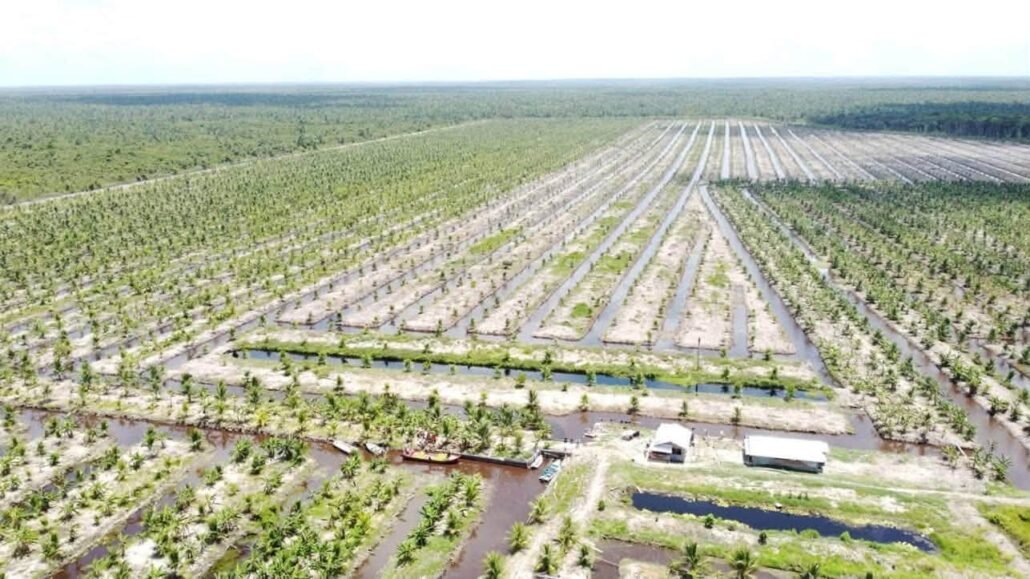
New 400-Acre Coconut Farm Signals a Fresh Chapter for Agriculture in the Pomeroon
The Pomeroon has long been known as one of Guyana’s most productive agricultural regions, and a new large-scale coconut plantation is reinforcing that reputation. A modern 400-acre farm has been established in Region Two, bringing together innovative farming methods, climate-smart practices, and a renewed focus on increasing local food production.
What sets this development apart is its use of intercropping, a farming technique that grows two crops on the same land. In this case, young coconut trees are being cultivated alongside plantains, allowing the land to remain productive while the coconuts mature.
For farmers, this approach offers several advantages. Plantains provide an earlier harvest and additional income during the years it takes coconut trees to reach full production. At the same time, the practice helps suppress weeds, improves soil health, and makes better use of available farmland.
The plantation has also been designed as a model farm that embraces modern agricultural techniques suited to Guyana’s changing climate. From improved field management to more efficient production systems, every aspect of the operation is intended to increase productivity while reducing operating costs.
One of the most significant outcomes is the expected reduction in labor costs by more than 40 percent. By incorporating smarter farming methods and efficient field layouts, the plantation aims to produce more with fewer resources while maintaining high standards of cultivation.
For Guyana’s growing agricultural sector, projects like this demonstrate how traditional crops can benefit from modern thinking. Coconut remains an important commodity, supplying fresh nuts, coconut water, cooking ingredients, oils, and value-added products that serve both local and export markets.
The Pomeroon has earned a reputation for producing some of Guyana’s finest coconuts, and investments of this scale help strengthen that legacy while creating opportunities for future growth. As demand for coconut-based products continues to expand, efficient and climate-resilient farms will become increasingly important to meeting both domestic and international markets.
For food lovers, developments like this may seem far removed from the kitchen, but they have a direct impact on the ingredients that shape Guyanese cuisine. Every fresh coconut used in cook-up rice, metemgee, coconut choka, cassava dishes, traditional sweets, and refreshing coconut water begins with farms like these.
As Guyana continues to invest in food security and agricultural innovation, the new Pomeroon plantation stands as an example of how technology, sustainability, and smart farming can work together to strengthen one of the country’s most treasured industries.
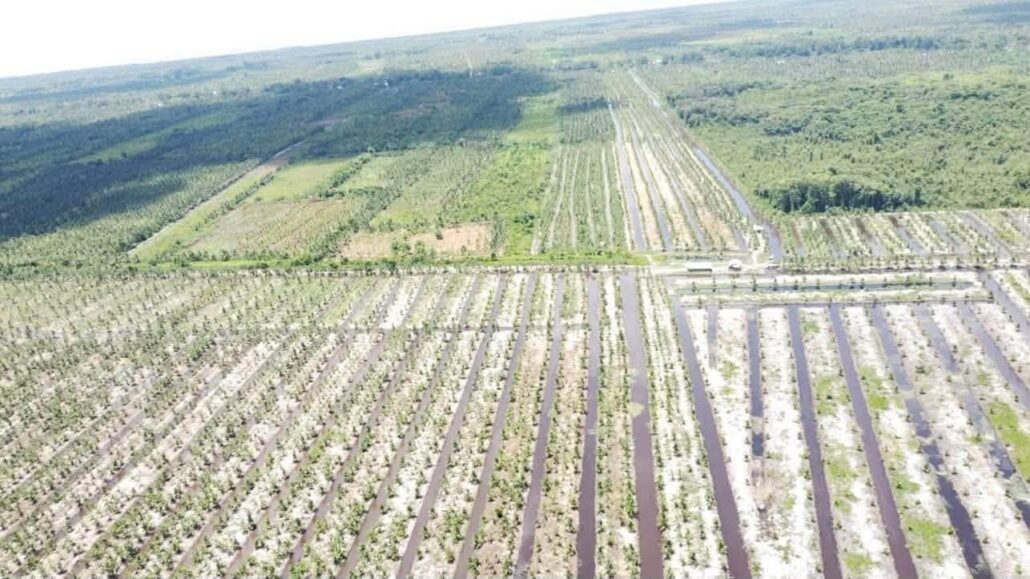
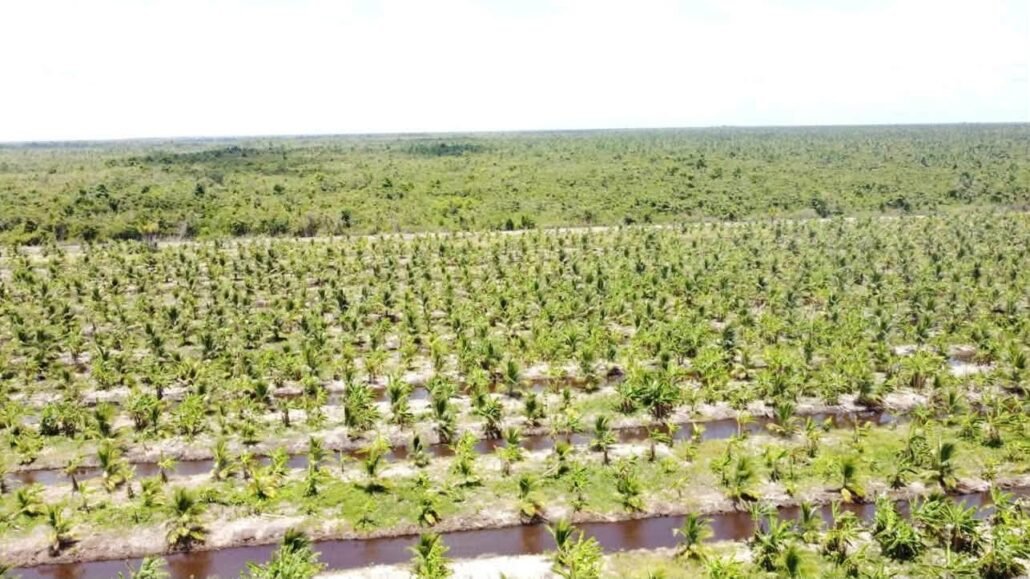
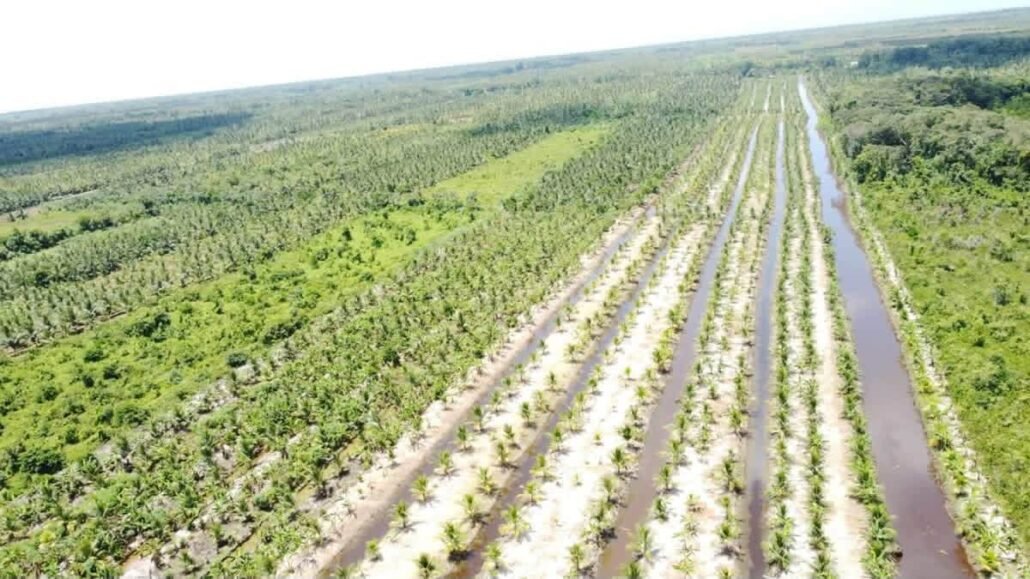
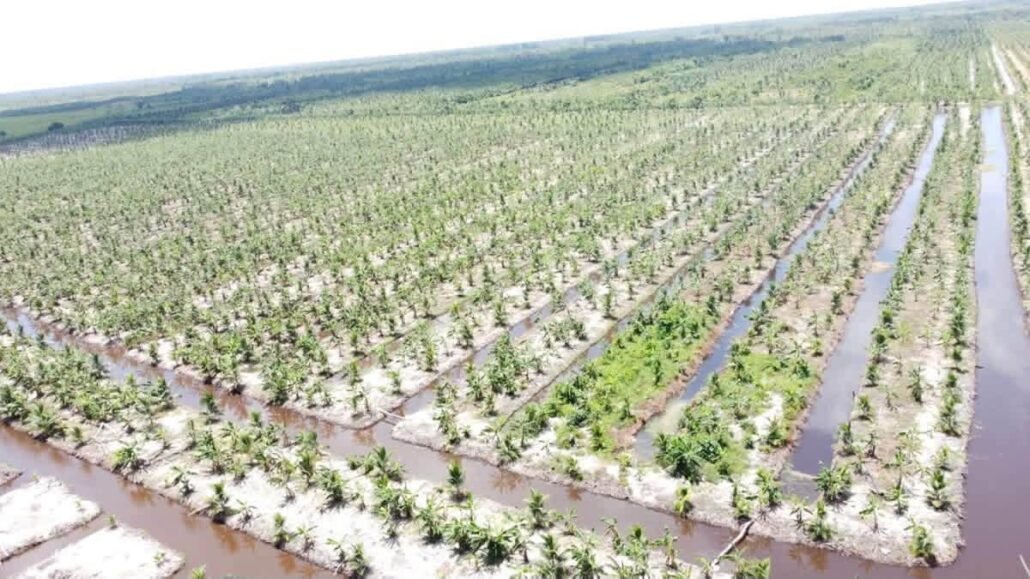
Photos Credit: News Room



Leave a Reply
Want to join the discussion?Feel free to contribute!