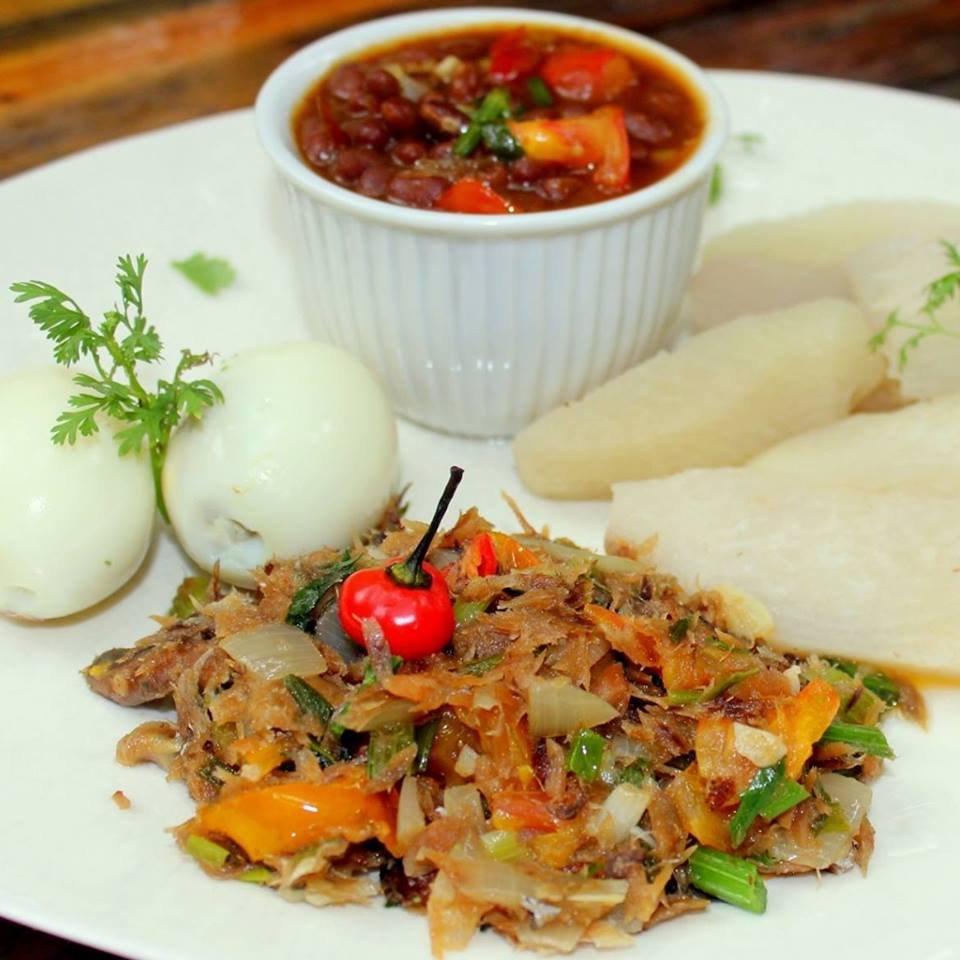
 Photo Credit: Delven Adams, Backyard Cafe
Food Is More Than a Meal—It’s the Future of Tourism in Guyana
Tourism Leaders Say Guyana’s Greatest Attraction May Be on the Plate
For decades, Guyana has built its tourism reputation around its breathtaking natural landscapes. Visitors travel from around the world to experience Kaieteur Falls, the pristine rainforest, expansive savannahs, and remarkable wildlife. But increasingly, tourism leaders are pointing to another experience that is becoming just as important—Guyanese food.
Speaking during the launch of Guyana Restaurant Week 2026, Guyana Tourism Authority Director Kamrul Baksh described gastronomy as one of the country’s major tourism pillars, emphasizing that food has evolved far beyond simply satisfying hungry visitors. Today, it represents culture, identity, business, and economic opportunity.
“Food and gastronomy are a major pillar of Guyana’s economy,” Baksh noted, adding that Restaurant Week has significantly elevated the country’s culinary profile and should continue to expand its impact.
Every Visitor Leaves With a Food Story
While Guyana’s landscapes may attract visitors, it is often the food they remember long after returning home.
Whether it’s enjoying a bowl of pepperpot for the first time, discovering fresh cassava bread in an Indigenous community, tasting authentic cook-up rice, or sampling locally produced pepper sauces, Guyana’s cuisine creates lasting memories that become part of the travel experience.
Unlike attractions that are visited once, food creates daily opportunities for visitors to engage with local communities, businesses, and traditions.
Culinary Tourism Creates Opportunity
The growth of culinary tourism benefits far more than restaurants.
Every meal served supports an interconnected network that includes:
- Farmers
- Fishermen
- Food manufacturers
- Bakers
- Caterers
- Food photographers
- Content creators
- Tour guides
- Market vendors
- Beverage producers
- Hospitality workers
This ripple effect strengthens local economies while preserving culinary traditions for future generations.
Restaurant Week Shows What’s Possible
Events such as Guyana Restaurant Week demonstrate how food can drive tourism.
With participating restaurants creating specially curated menus and incorporating more locally sourced ingredients, Restaurant Week has evolved into more than a dining promotion. It has become a national celebration of Guyanese culinary talent, bringing together chefs, restaurateurs, producers, suppliers, and visitors.
Tourism officials also noted strong visitor growth and high hotel occupancy, with many travellers expressing interest in learning more about Guyanese cuisine and local food experiences.
More Than Restaurants
Building a successful culinary tourism destination means showcasing the entire food ecosystem.
Visitors increasingly want to:
- Meet local chefs.
- Learn traditional recipes.
- Visit food festivals.
- Discover locally made products.
- Experience farmers’ markets.
- Explore regional cuisines.
- Understand the cultural stories behind every dish.
This creates opportunities for food businesses of every size—not just restaurants.
Why It Matters
As Guyana continues to diversify its economy and expand its tourism sector, food offers something few destinations can easily replicate: authenticity.
Every culture, every community, and every region contributes something unique to the national table. From Indigenous cassava traditions to Afro-Guyanese cooking, Indo-Guyanese curries, Portuguese baking, Chinese influences, and modern culinary innovation, Guyana’s diversity is reflected in every meal.
That diversity has become one of the country’s strongest tourism assets.
The Role of Taste Guyana
As Guyana’s culinary landscape continues to evolve, documenting, promoting, and celebrating its food culture has never been more important.
Through its magazine, Food & Dining Directory, Made in Guyana platform, Culinary Creators Network, and event coverage, Taste Guyana aims to showcase the people, businesses, products, and traditions driving this exciting chapter in the nation’s tourism story.
Because every great destination has unforgettable food—and every unforgettable meal tells the story of a nation.