
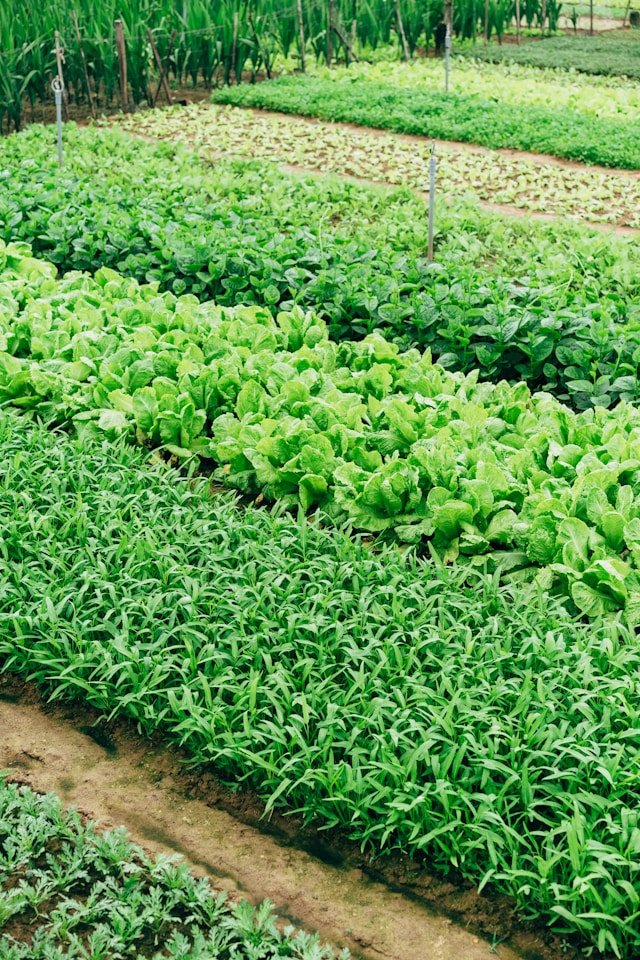
Guyana Invests $745 Million to Transform Agro-Processing
A Major Investment Could Redefine the Future of “Made in Guyana”
Guyana’s food industry is entering a new phase of development.
As part of its 2026 national budget, the Government has allocated $745 million to expand agro-processing, signaling a continued commitment to strengthening the country’s food manufacturing sector and creating more value from locally grown agricultural products. The investment supports a range of initiatives, including new fruit-pulping facilities, improved cold storage, enhanced packaging capacity, and infrastructure intended to help local producers move beyond selling raw commodities into producing higher-value finished goods.
For consumers, the announcement may seem like another budget allocation. For farmers, manufacturers, entrepreneurs, and food lovers, however, it represents something much larger: an opportunity to transform how Guyana grows, processes, markets, and exports its food.
Adding Value at Home
For decades, many agricultural products have been sold in their raw form. While this generates income, the greatest economic value often comes after harvesting—through cleaning, processing, packaging, branding, and manufacturing.
That is where agro-processing makes the difference.
Instead of exporting fresh fruit alone, manufacturers can produce juices, fruit pulps, jams, sauces, dried fruit, and other shelf-stable products. Pepper can become bottled pepper sauce. Cassava can be transformed into flour, snacks, breads, and packaged foods. Coconut can become oil, milk, flour, chips, and confectionery ingredients.
Every additional step completed in Guyana creates more jobs, strengthens local businesses, and increases the value of the finished product.
Building Better Infrastructure
According to the Government’s plans, the investment will support improved processing facilities, expanded cold storage, and modern packaging capabilities. These improvements are intended to reduce post-harvest losses, improve food quality, and help producers meet the standards required by regional and international markets.
For many small and medium-sized food businesses, access to reliable processing and storage has been a longstanding challenge. Better infrastructure can help businesses produce more consistently throughout the year while reducing waste.
New Opportunities for Local Manufacturers
For companies producing food in Guyana, the investment opens new possibilities.
Manufacturers may find it easier to expand product lines, improve packaging, and introduce new value-added products to local supermarkets and export markets.
Consumers are also becoming increasingly interested in buying products made in Guyana. Better packaging, stronger branding, and improved production standards can help local products compete more effectively on store shelves while reinforcing national pride in homegrown brands.
Supporting Farmers Beyond the Farm
Agro-processing benefits manufacturers, but it also creates new opportunities for farmers.
When processing capacity increases, farmers often gain access to more stable markets for fruits, vegetables, spices, and other crops. Instead of relying solely on fresh produce sales, growers may be able to supply processors year-round, creating additional demand and reducing the risk of excess harvests going to waste.
A stronger connection between agriculture and manufacturing also encourages greater investment in crop quality, consistency, and production planning.
Strengthening Food Security
Developing local processing capacity can also strengthen food security.
Producing more finished food products locally reduces dependence on imports, supports local supply chains, and helps ensure that more food is processed and packaged within Guyana.
It also provides consumers with greater access to locally made alternatives while encouraging innovation among food manufacturers.
A Boost for the “Made in Guyana” Brand
One of the biggest beneficiaries of increased agro-processing could be the growing “Made in Guyana” movement.
As more manufacturers develop high-quality products using local ingredients, Guyana has an opportunity to strengthen its reputation both regionally and internationally.
Whether it’s pepper sauces, seasonings, coffee, chocolate, honey, cassava products, fruit preserves, beverages, or specialty foods, consumers increasingly want products that tell an authentic story about where they come from.
Strong branding, attractive packaging, and consistent quality will be essential as Guyanese products compete for shelf space across the Caribbean and beyond.
What This Means for Taste Guyana
For Taste Guyana, this investment reinforces the importance of telling the stories behind the products.
Every new processing facility creates opportunities for innovation. Every new product launched by a local manufacturer represents another chapter in Guyana’s evolving food story.
Through the Made in Guyana platform, Taste Guyana aims to introduce readers to the businesses, entrepreneurs, and products shaping this new era of food manufacturing.
By connecting consumers with local brands, highlighting product innovation, and celebrating the people behind the labels, the platform supports a growing movement to recognise and promote Guyanese excellence.
Looking Ahead
Guyana’s agricultural sector has long been one of the country’s greatest strengths. With renewed investment in agro-processing, the focus is shifting from simply growing food to creating products with greater value, stronger brands, and wider market reach.
Success will depend on continued collaboration between farmers, manufacturers, government agencies, retailers, and consumers. But the direction is clear: Guyana is investing not only in agriculture, but in the future of its food industry.
For local businesses, it is an opportunity to innovate. For consumers, it promises greater choice. And for the nation as a whole, it marks another important step toward building a stronger, more competitive Made in Guyana food sector.

 Photo Credit: NCN