
Emancipation on the Table
How Freedom Shaped Guyana’s Culinary Identity
Every year on August 1, Guyanese gather in vibrant African attire, to the rhythm of drums, storytelling, dance, and food, to commemorate Emancipation Day. It is a celebration of freedom, resilience, and the enduring legacy of the African men and women whose labour, strength, and determination helped build Guyana. The abolition of slavery in 1838 marked not only the beginning of a new chapter for formerly enslaved Africans but also the beginning of a remarkable culinary journey that would influence every corner of Guyanese cuisine.
Food has always been more than sustenance. It tells stories. It preserves memory. It connects generations. On Emancipation Day, the dishes served across Guyana remind us that culture survived even when freedom did not.
The Taste of Survival
The earliest African ancestors in Guyana were forced to create meals from whatever ingredients were available to them. Cuts of meat discarded by plantation owners, ground provisions, leafy greens, coconuts, cassava, and local fruits became the foundation of meals that were filling, nutritious, and deeply flavourful.
Rather than viewing these ingredients as limitations, African cooks transformed them into dishes that would become national favourites. Techniques such as slow cooking, one-pot meals, roasting over open fires, pounding seasonings, and layering spices became hallmarks of Afro-Guyanese cooking.
Many of those traditions remain unchanged today.
The Heart of the Emancipation Table
Walk through an Emancipation celebration anywhere in Guyana and you’ll find aromas that instantly feel like home.
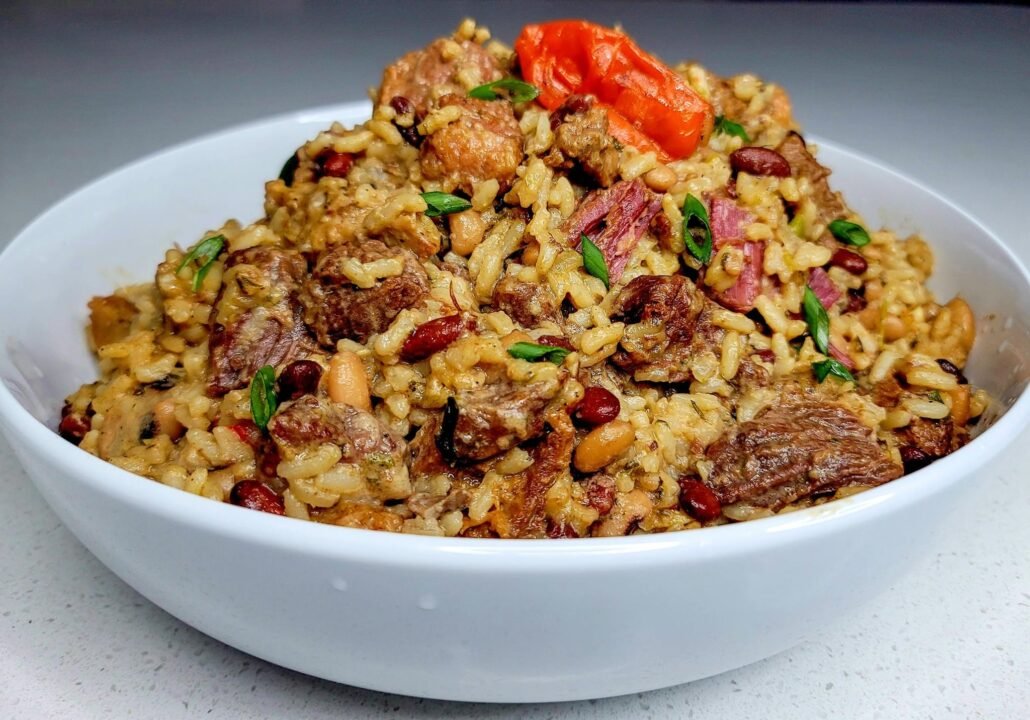
Cook-up Rice remains one of the centrepieces. Rice, peas, coconut milk, fresh herbs, and salted or smoked meats come together in one pot, representing community and abundance. Though enjoyed year-round, few dishes are more closely associated with Emancipation celebrations.
Metemgee is another treasured favourite. Originally rooted in Indigenous ingredients and African cooking methods, this comforting dish combines cassava, eddoes, plantains, sweet potatoes, dumplings, and coconut milk into a rich, satisfying meal. It perfectly reflects Guyana’s cultural blending.
No Emancipation celebration would feel complete without Conkie. Wrapped in banana leaves and steamed to perfection, this cherished treat combines cornmeal, grated coconut, sweet potato or pumpkin, raisins, spices, and brown sugar into a fragrant pudding. While Conkie is enjoyed throughout the Caribbean, Guyana has made it uniquely its own, and for many families, preparing it together remains an Emancipation tradition passed from one generation to the next.
Equally beloved is Cassava Pone, a dense, moist baked dessert made from freshly grated cassava, coconut, ginger, warm spices, and often sweetened with brown sugar. The combination of Indigenous cassava and African cooking traditions produced one of Guyana’s most iconic desserts. Its rich flavour and unmistakable texture have made it a staple at Emancipation festivities, family gatherings, and roadside stalls across the country.
Roasted breadfruit, fried plantains, coconut bakes, fried fish, stewed meats, and an abundance of fresh tropical fruits often complete the spread, each carrying its own story of adaptation, survival, and celebration.
Many Emancipation festivals now even feature friendly cook-up and metemgee competitions, highlighting just how central these dishes remain to the celebration. Alongside them, tables filled with homemade Conkie and Cassava Pone serve as delicious reminders that Guyana’s culinary heritage is preserved just as much through its desserts as through its main dishes.
The African Roots That Still Flourish
Many ingredients central to Guyanese cooking trace their ancestry back to West Africa.
Okra, black-eyed peas, pigeon peas, sesame, yams, and various cooking techniques crossed the Atlantic alongside enslaved Africans. Others blended naturally with Indigenous foods already thriving in Guyana’s forests and rivers.
The result was not a copy of African cuisine, nor purely Indigenous cooking.
It became something uniquely Guyanese.
The heavy use of coconut milk, fresh herbs, smoked meats, ground provisions, and one-pot cooking speaks to centuries of adaptation while preserving unmistakable African culinary traditions.
A Table That Welcomed New Cultures
Emancipation also reshaped Guyana beyond the African experience.
Following the abolition of slavery, the colonial economy sought new labour, leading to the arrival of Portuguese, Chinese, East Indian, and additional indentured workers, each bringing their own food traditions, spices, and cooking methods.
Rather than existing separately, these cuisines slowly intertwined.
Indian curry met African cook-up.
Chinese stir-frying influenced local fried rice and chow mein.
Portuguese baking introduced new breads and pastries.
Indigenous knowledge of local ingredients continued to guide what could be grown, gathered, and preserved.
The result is the extraordinary culinary identity that defines modern Guyana—a cuisine where six peoples helped shape one national table.
More Than a Meal
One of the most beautiful aspects of Emancipation Day is that it has never belonged exclusively to one community.
Families from every background attend celebrations, enjoy African drumming, admire traditional clothing, and gather around food that tells the story of an entire nation.
Sharing a plate of cook-up or metemgee on August 1 is not simply about eating.
It is an act of remembrance.
It honours the resilience of those who transformed hardship into heritage and scarcity into abundance.
Preserving the Legacy
As Guyana continues to modernise, preserving these culinary traditions becomes increasingly important.
Recipes passed from grandparents to grandchildren are more than instructions; they are living history. Every pot of cook-up, every bowl of metemgee, every slice of cassava pone carries echoes of generations who refused to let their identity disappear.
Emancipation reminds us that freedom is not remembered only through speeches or monuments.
Sometimes it is remembered around a family table.
Sometimes it is celebrated with the aroma of coconut milk simmering over a fire.
Sometimes it is found in the simple act of sharing a meal that has nourished Guyanese people for nearly two centuries.
On Emancipation Day, we celebrate freedom.
But just as importantly, we celebrate the food that helped preserve a people, unite a nation, and shape the rich culinary heritage that makes Guyana unlike anywhere else in the world.
Photos credits – Candy Tha Glam Cook
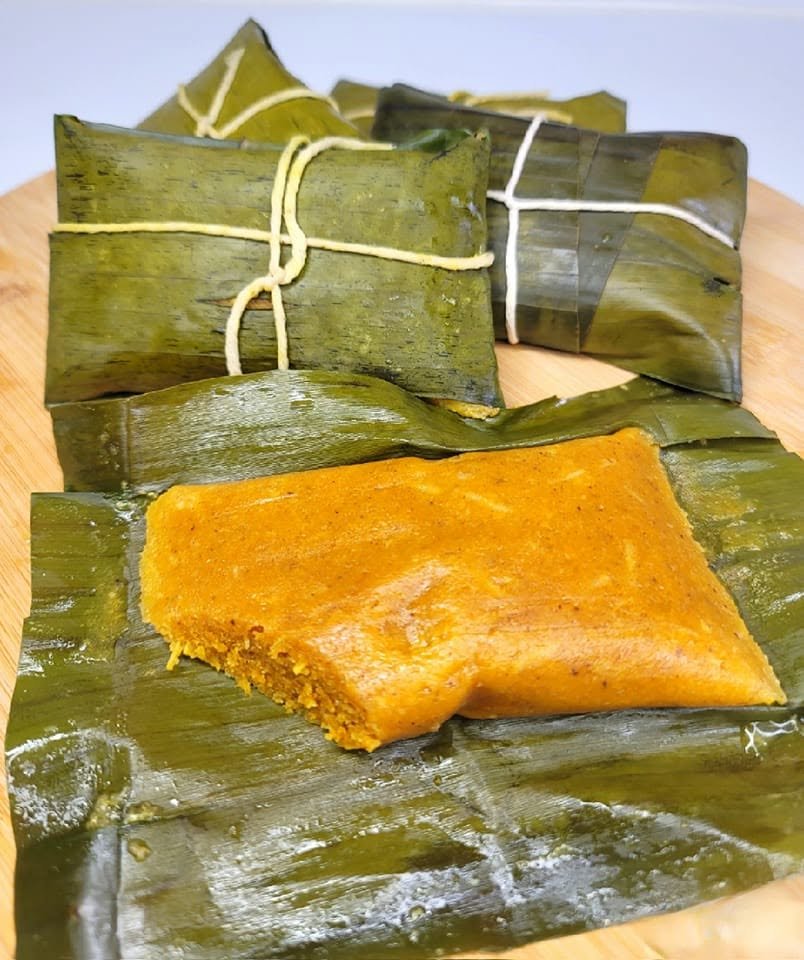
Conkie
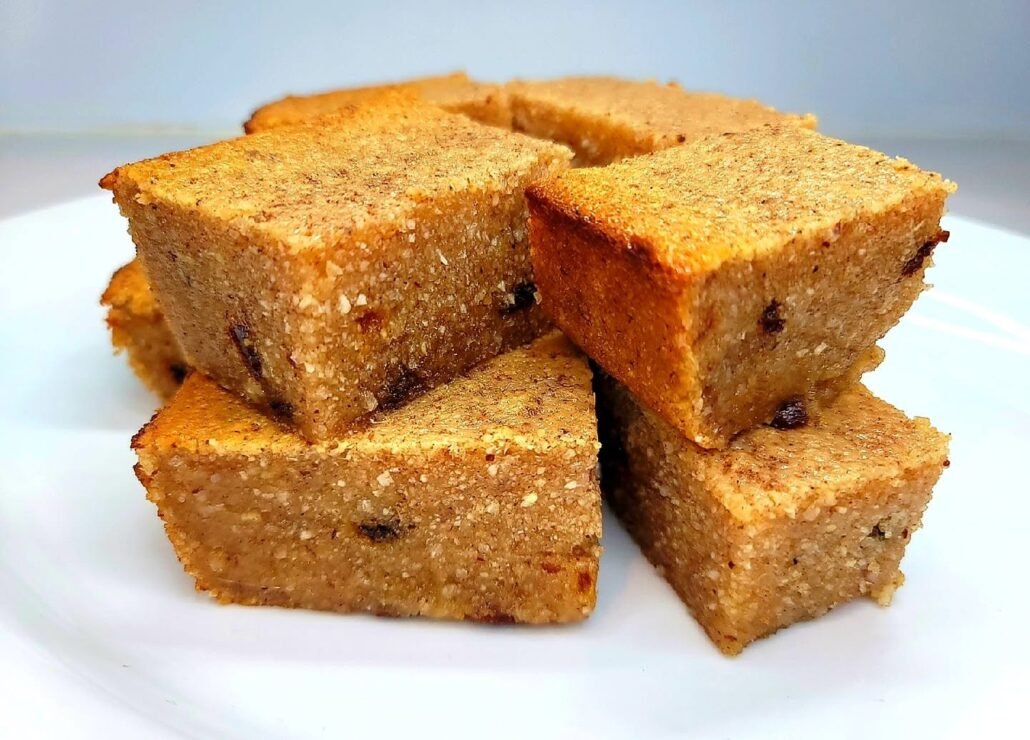
Cassava Pone
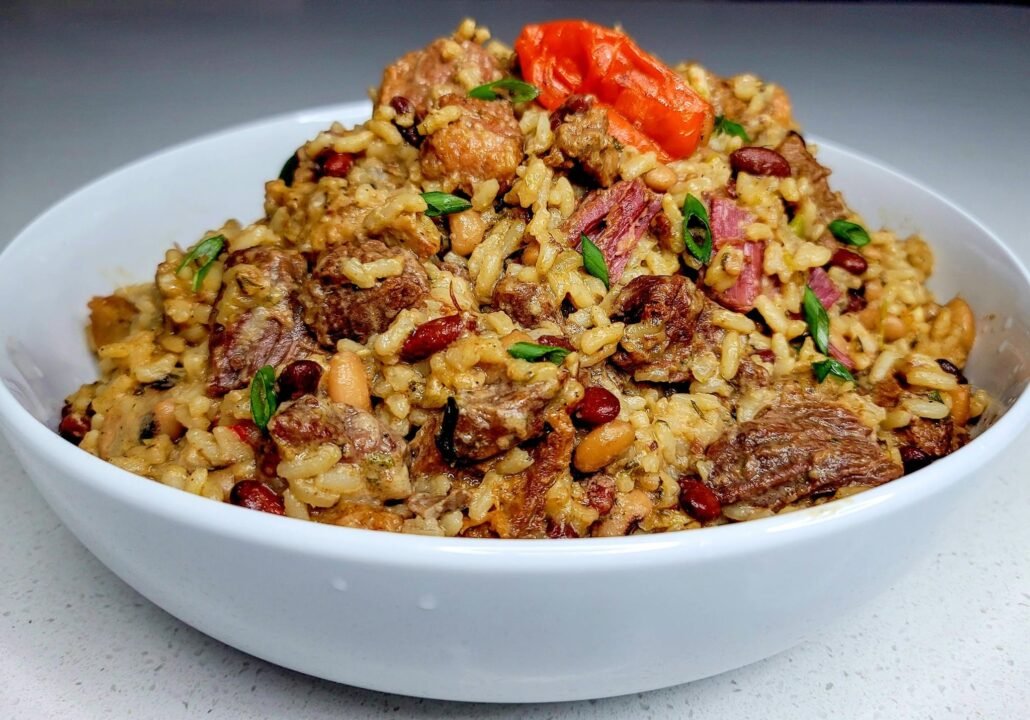
Cookup Rice
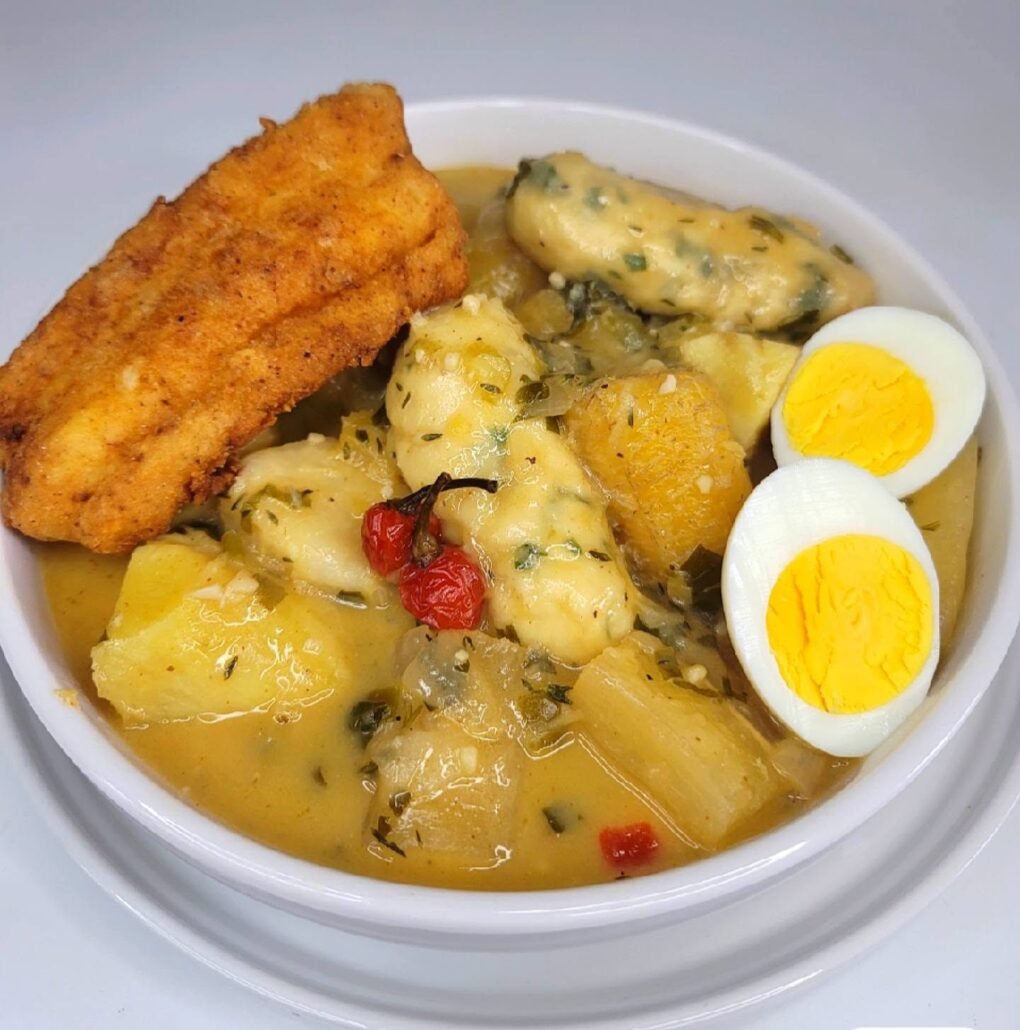
Metemgee

 Photo Credit: Suri The Foodie
Leave a Reply
Want to join the discussion?Feel free to contribute!