
Growing Upwards: Hydroponic Lettuce Flourishes at VC Farms
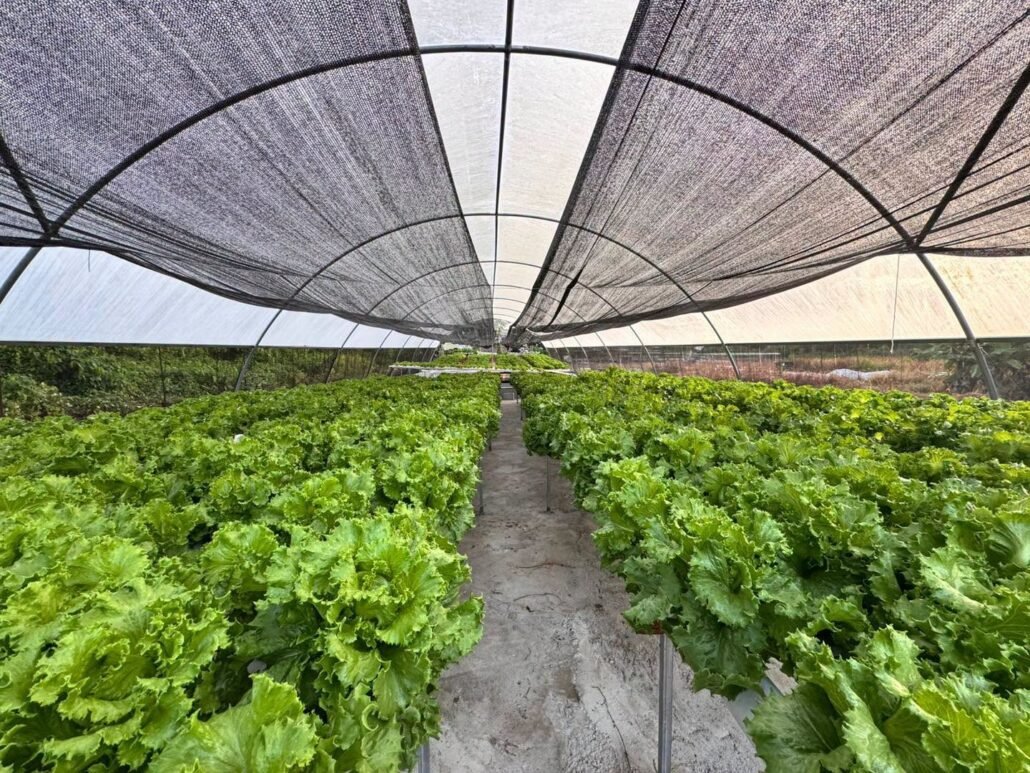
Inside a greenhouse at Friendship, East Bank Demerara, rows of thriving lettuce offer a fresh look at how technology is helping to shape the future of farming in Guyana.
Agriculture in Guyana has always been rooted in the land. At VC Farms in Friendship, however, healthy heads of lettuce are flourishing without being planted in traditional soil.
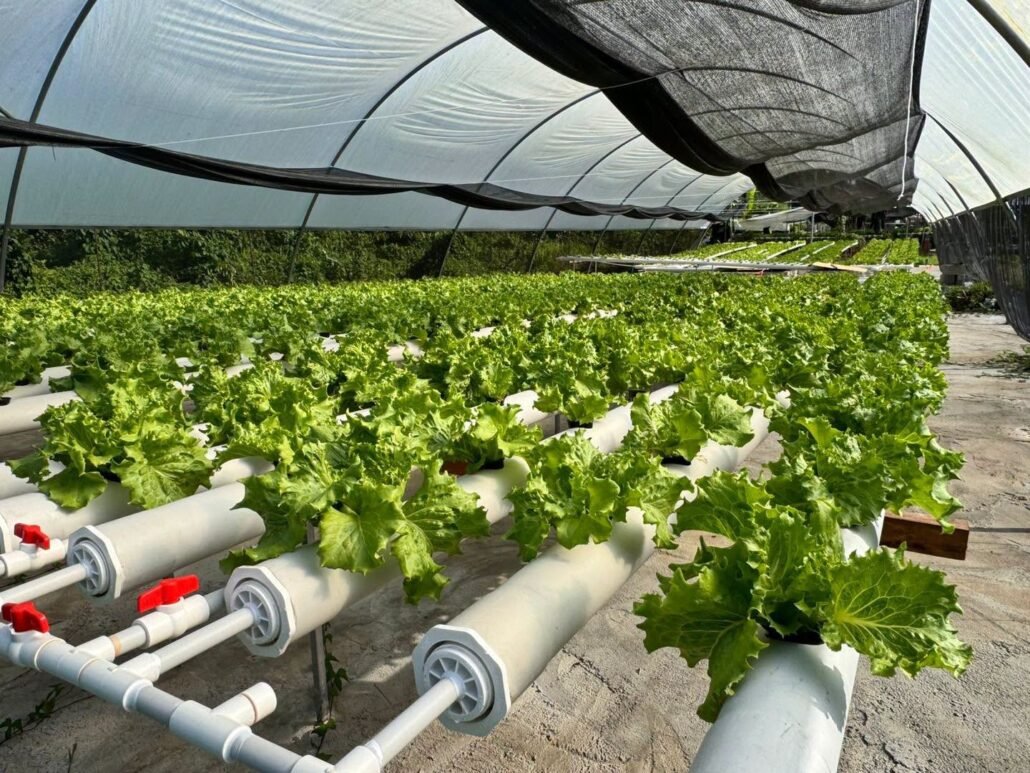
The farm is using hydroponic cultivation, a method in which plants receive water and essential nutrients through a carefully managed growing system. Inside the protected environment of a greenhouse, the lettuce can develop under more controlled conditions than crops planted in an open field.
The sight of green, evenly spaced plants thriving inside the Friendship facility is more than an attractive picture. It represents the gradual transformation taking place within Guyana’s agricultural sector.
How hydroponic farming works
In traditional farming, plants depend on soil to support their roots and deliver water and nutrients. Hydroponic farming supplies those nutrients through water instead.
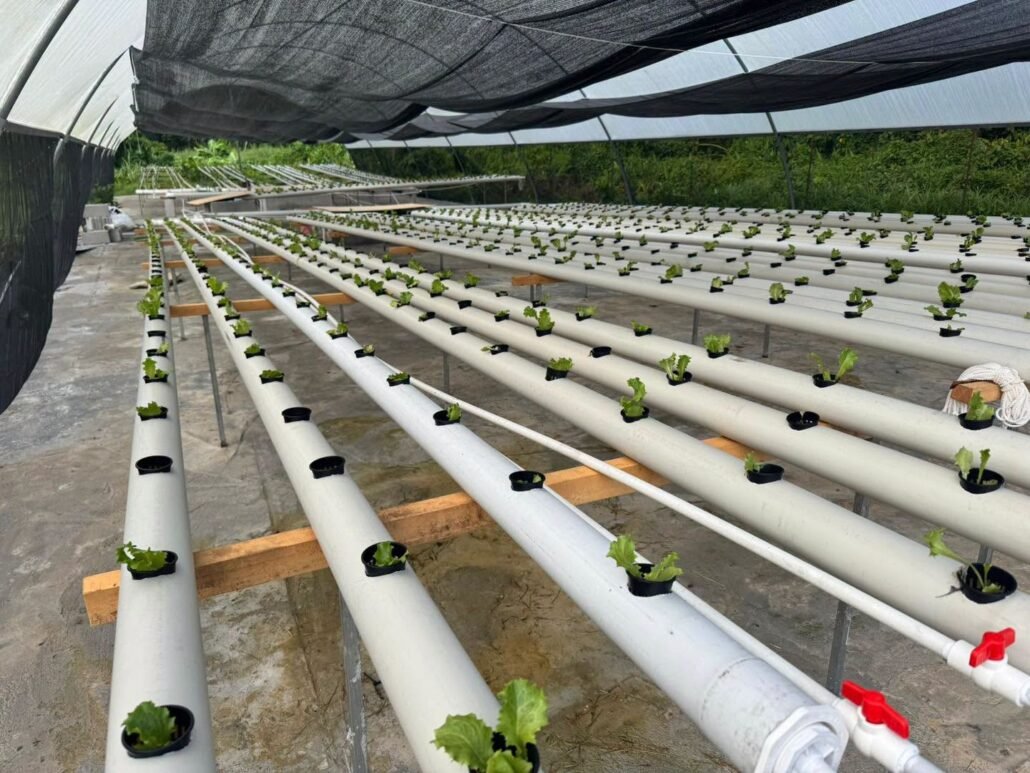
Depending on the system, plants may be held in channels, containers or another supporting medium while a nutrient solution is delivered directly to their roots. Some systems circulate and reuse the water, making careful management essential.
Temperature, water quality, plant nutrition, airflow and sanitation must all be monitored. Hydroponics is therefore not an effortless substitute for conventional agriculture. It replaces some familiar farming challenges with a more technical form of crop management.
When operated properly, however, the system can produce vegetables in compact spaces while giving farmers greater control over growing conditions.
Guyana’s National Agricultural Research and Extension Institute has previously promoted the Nutrient Film Technique, a hydroponic system that continuously circulates a shallow stream of nutrient solution past plant roots. The agency has highlighted hydroponics as a possible way to maintain vegetable production in places affected by flooding or unsuitable soil. Ministry of Agriculture
Why lettuce is suited to the system
Leafy vegetables such as lettuce are frequently grown hydroponically because of their relatively short production cycles and compact root structures.
They are also valuable to restaurants, hotels, supermarkets and households, where freshness and consistent quality matter. Lettuce can quickly lose its crispness after harvesting, so growing it closer to the people who will eventually eat it can shorten the journey from farm to table.
Local production also gives chefs and food businesses another potential source of fresh vegetables without depending entirely on imported supplies.
Guyana’s expanding hydroponic sector has already demonstrated the ability to cultivate lettuce alongside pak choi, basil, kale, mustard, celery, parsley, coriander and other high-value crops. Previous local projects have supplied produce to markets, supermarkets and hospitality businesses. Ministry of Agriculture
Farming within a protected environment
The greenhouse at VC Farms provides an additional layer of protection around the crop.
Outdoor farmers must constantly respond to heavy rainfall, intense sunlight, flooding, pests and rapidly changing weather. A greenhouse cannot eliminate every risk, but it can create a more stable environment in which growers have greater influence over moisture, temperature and exposure.
That stability is particularly important for delicate vegetables such as lettuce, which can be affected by excessive heat and rain.
Protected cultivation can also help farmers plan production more consistently. This matters to restaurants and retailers that require reliable quantities rather than occasional harvests.
Still, hydroponic farming comes with responsibilities. Pumps and irrigation equipment must remain functional, nutrient levels must be checked, and diseases can spread rapidly through a shared water system if sanitation is neglected. The cost of establishing and maintaining the infrastructure can also be a barrier for smaller farmers.
The technology is promising, but success still depends on training, discipline and sound farm management.
Connecting farming with Guyana’s food industry
What happens inside the greenhouse eventually reaches far beyond the farm.
Lettuce is used in salads, sandwiches, burgers, wraps and plated restaurant meals. A dependable local supply supports not only farmers, but also chefs, caterers, hotels, supermarkets and other food businesses.
This connection between agriculture and hospitality is becoming increasingly important as Guyana’s food industry expands. Restaurants want attractive, fresh ingredients, while consumers are showing greater interest in where their food comes from and how it is produced.
Farms such as VC Farms can help close that gap by showing that locally grown produce can be modern, carefully managed and commercially relevant.
Hydroponics also creates opportunities for young people who may be interested in agriculture but do not identify with the traditional image of farming. Modern cultivation requires knowledge of plant science, water management, crop monitoring, equipment and business operations.
The farmer of the future may still work with seeds and harvests, but may also manage pumps, data, growing formulas and controlled environments.
A sign of agricultural change
One greenhouse will not transform Guyana’s food system on its own. Hydroponics should also complement conventional farming, not be treated as a replacement for the thousands of farmers who continue to produce food from the country’s fertile soils.
Its value lies in expanding what is possible.
It can provide another way to cultivate high-value vegetables, respond to unpredictable weather and increase local production in areas where space or soil conditions may be limiting.
Guyana has already invested in hydroponic farms and shade houses as part of a wider effort to strengthen food security, encourage agricultural entrepreneurship and increase the domestic production of crops commonly required by the hospitality sector. Ministry of Agriculture
At VC Farms in Friendship, that wider ambition can be seen in something as simple as a row of lettuce.
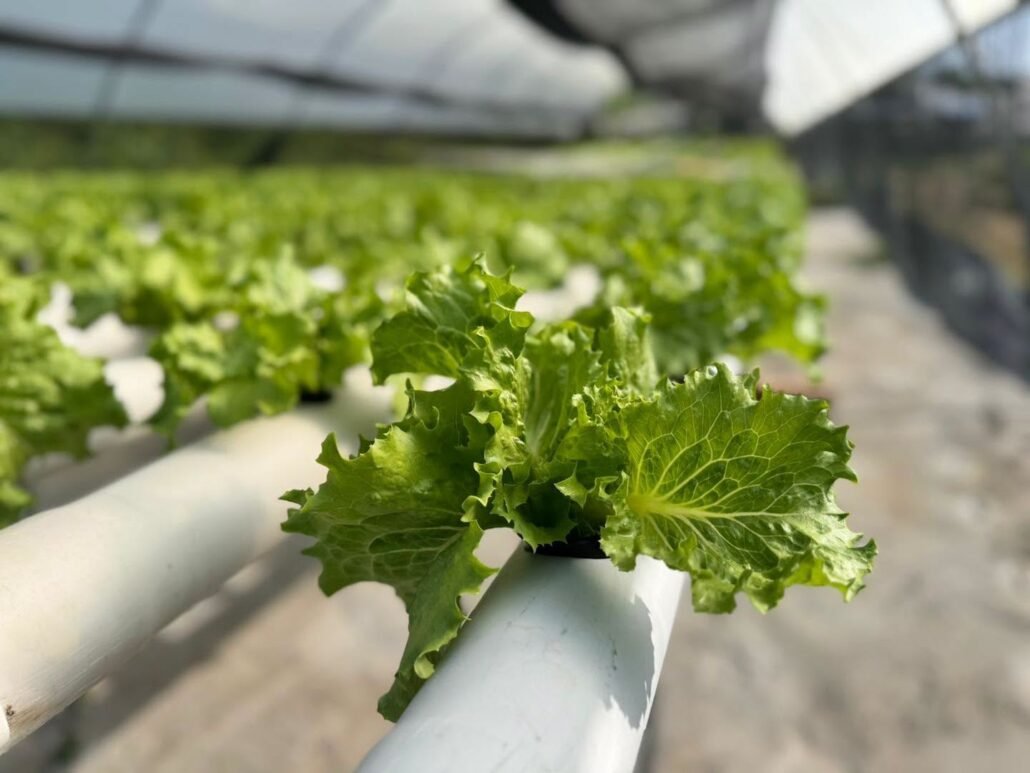
The leaves are crisp, green and thriving. But the real story is what they represent: a willingness to experiment, to grow differently and to imagine a more resilient future for Guyanese agriculture.



Leave a Reply
Want to join the discussion?Feel free to contribute!