

Roots and Flavours Culinary Centre Opens in Guyana
Guyana’s culinary traditions now have a new space dedicated to preserving them, teaching them and helping a new generation transform food skills into opportunity.
The new Roots and Flavours Culinary Centre was officially commissioned on Friday at the Guyana Women’s Leadership Institute (GWLI) at Cove and John, East Coast Demerara, by Minister Dr. Vindhya Persaud.
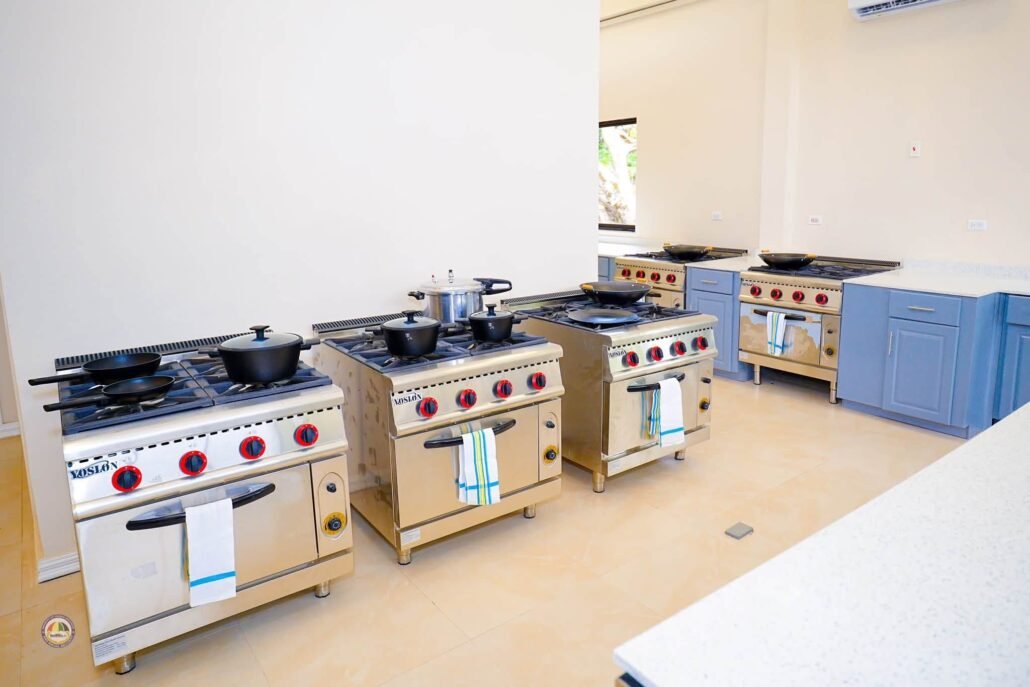
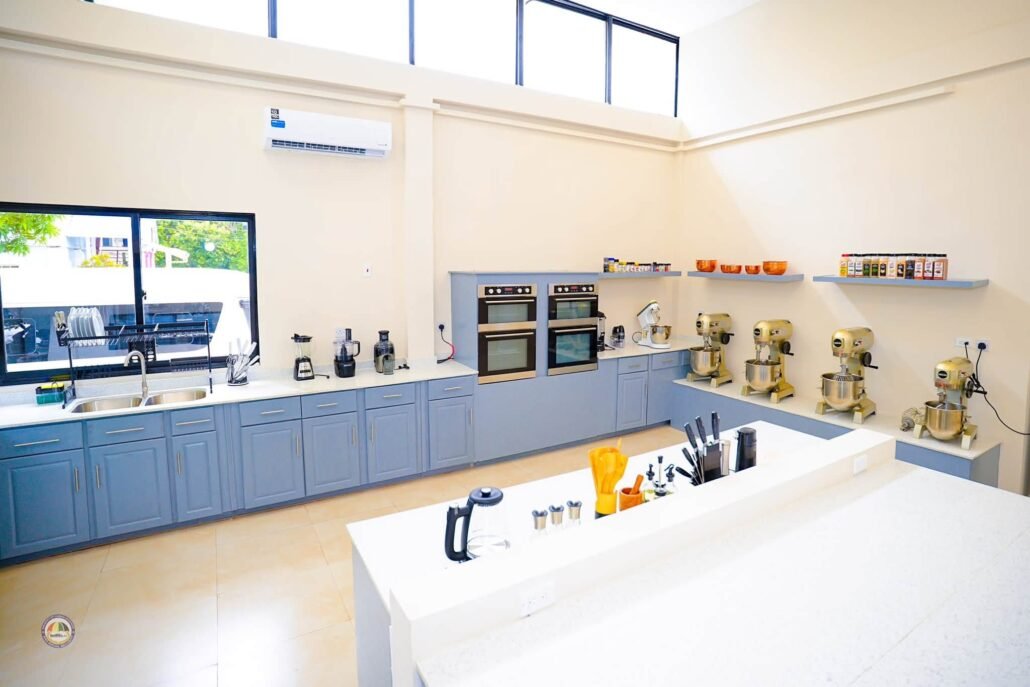
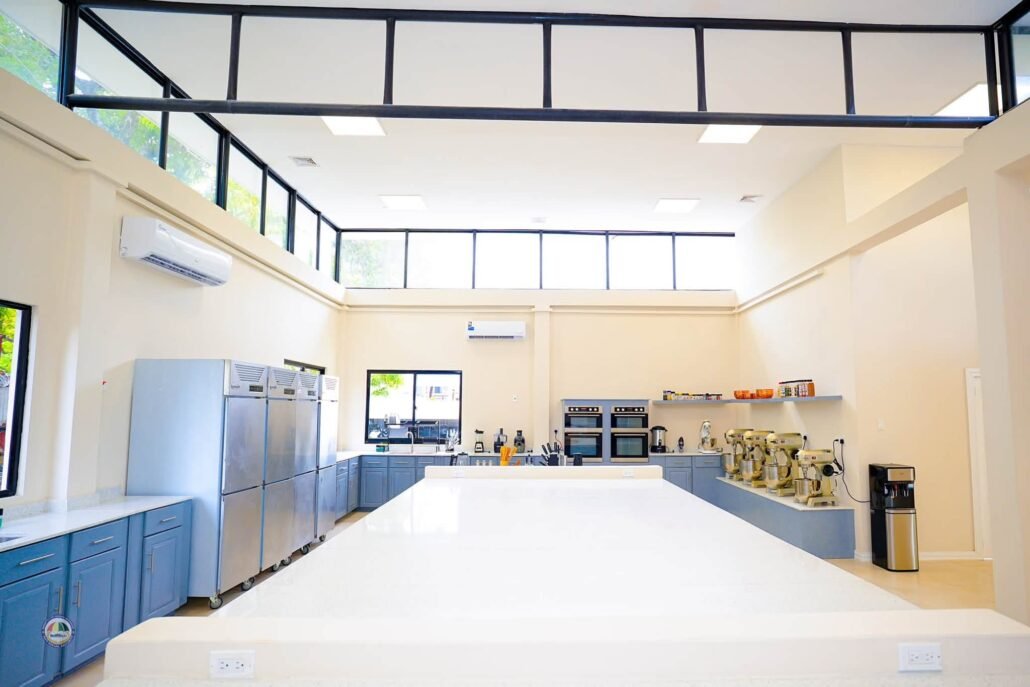
Developed as a space for culinary education and the celebration of Guyana’s diverse food heritage, the centre will offer free training programmes, providing participants with access to a modern environment where they can develop practical skills, gain hands-on experience and explore their culinary creativity.
The significance of Roots and Flavours, however, goes beyond learning how to prepare a meal. It creates another avenue through which Guyanese culinary knowledge can be preserved while giving participants skills that may lead to employment, entrepreneurship and greater participation in the country’s growing food and hospitality industries.
Where Culture Meets Culinary Training
Guyanese cuisine tells the story of the country itself.
African, Indian, Indigenous, Chinese, Portuguese, European and Caribbean influences have contributed to a food culture that is remarkably diverse. Pepperpot, curry, cook-up rice, metemgee, black cake, dhal puri, cassava bread, chow mein, pastries, preserves and countless regional dishes are more than things we eat. They carry histories, memories and traditions.
For generations, much of this culinary knowledge has been passed from one person to another inside homes and communities.
Recipes are often learned by watching a mother, grandmother, father, aunt, neighbour or community cook rather than by following written instructions. Measurements may be understood by sight and touch. Techniques are perfected through repetition, and family recipes are adjusted and handed down over decades.
That informal transfer of knowledge remains an important part of Guyanese food culture.
Roots and Flavours now provides another environment in which culinary knowledge and practical skills can be developed through structured training.
Participants will have an opportunity to work with appropriate culinary tools and equipment while gaining experience in a dedicated training space. For aspiring cooks and food entrepreneurs who have never had access to a professional kitchen or formal culinary education, that exposure can be significant.
Turning Kitchen Skills Into Opportunity
Across Guyana, food has long provided an accessible path into entrepreneurship.
Many food businesses begin simply.
Someone becomes known for making excellent black cake. Another person starts selling pastries to colleagues. A home cook begins taking weekend orders for curry and roti. Someone else turns a family pepper sauce recipe into a small business.
What begins with a few customers can eventually become a catering operation, bakery, restaurant, packaged-food brand or other food enterprise.
Talent, however, is only part of building a sustainable food business.
Professional training can help aspiring food entrepreneurs improve consistency, food preparation techniques, kitchen organisation, hygiene, presentation and production standards.
This is where the free training offered through Roots and Flavours could have its greatest practical impact.
Removing the cost of training can make culinary education accessible to people who possess the interest and ability but may not otherwise have the resources to pursue formal instruction.
For women, young people and aspiring entrepreneurs in particular, those skills can potentially create pathways toward employment, additional income and business ownership.
Preserving What Makes Guyanese Food Guyanese
Guyana’s food landscape is changing.
New restaurants are opening, international cuisines are becoming more visible and the country’s expanding tourism and hospitality sectors are creating greater demand for trained culinary professionals.
That growth brings opportunity, but it also makes the preservation of Guyana’s culinary identity increasingly important.
Traditional food does not have to remain frozen in time.
Recipes evolve. Techniques change. Chefs experiment. New ingredients become available and younger generations reinterpret dishes they grew up eating.
The challenge is ensuring that innovation does not require forgetting where those dishes came from.
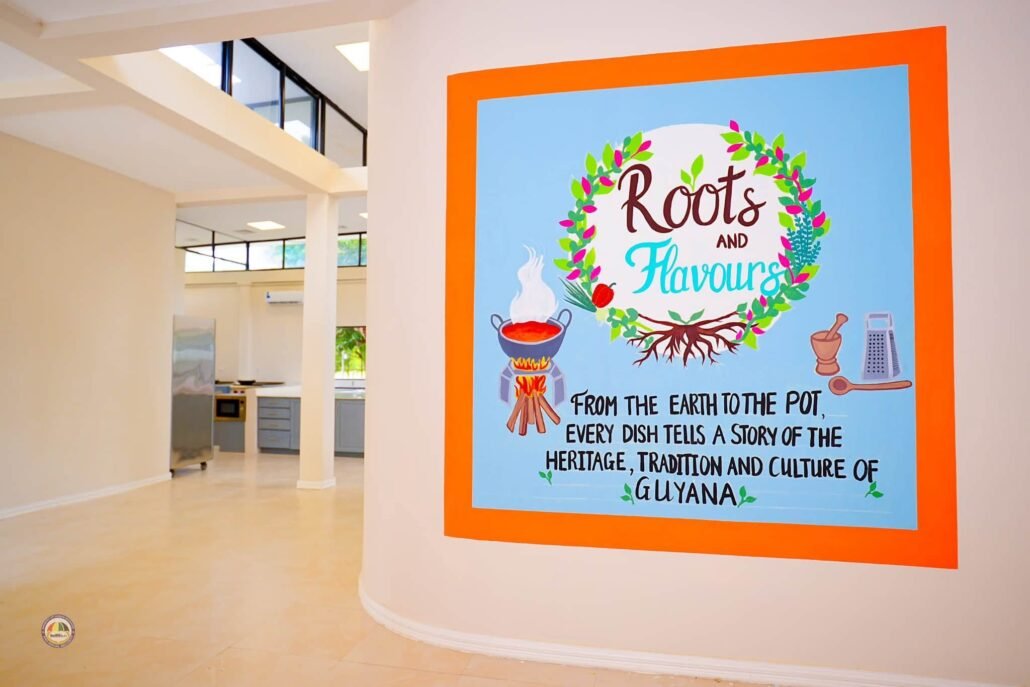
In that sense, the name Roots and Flavours captures an important relationship.
The roots are the ingredients, recipes, techniques, histories and cultural knowledge inherited from previous generations.
The flavours are what today’s cooks, chefs and entrepreneurs can create from that foundation.
There is room for both.
A young chef can understand how pepperpot has traditionally been prepared while exploring contemporary presentation. A baker can learn the techniques behind Guyanese pastries while creating products for today’s consumer. A food entrepreneur can preserve a family recipe while learning how to produce it consistently for a commercial market.
That is how culinary traditions survive.
They are not simply documented or remembered. They continue to be cooked, taught, shared and adapted.
Building Guyana’s Culinary Workforce
The opening of Roots and Flavours also comes at an important period for Guyana’s hospitality sector.
Restaurants, hotels, resorts, catering companies, food manufacturers and tourism businesses all depend on people with practical culinary and hospitality skills.
As the industry expands, training becomes increasingly important.
Facilities such as Roots and Flavours can help strengthen the pool of people entering the sector while introducing participants to standards and practices that may be difficult to learn exclusively in a home kitchen.
There is also a wider economic opportunity.
Someone who enters the programme to improve their cooking may eventually become an employee in the hospitality industry. Another participant may decide to establish a catering company. Someone else may develop a packaged product or use the training to strengthen an existing small food business.
The value of culinary education is therefore not limited to producing chefs.
It can support an entire ecosystem of cooks, bakers, caterers, food producers and entrepreneurs.
Food Is Part of the Guyana Experience
Food is also becoming increasingly important to how Guyana presents itself to visitors.
For travellers, cuisine can provide one of the most immediate introductions to a country’s culture.
A visitor may encounter Guyana through a bowl of cook-up rice, a serving of pepperpot, curry and roti, an egg ball from a roadside vendor, cassava bread in an Indigenous community or a glass of mauby on a hot afternoon.
These experiences become part of how a destination is remembered.
That gives Guyana an advantage.
The country does not need to manufacture a culinary identity for tourism. It already possesses one shaped by centuries of migration, Indigenous knowledge, agriculture, family traditions and cultural exchange.
The opportunity now is to strengthen the people who prepare and present that food.
A stronger culinary workforce can improve the visitor experience while helping ensure that Guyanese dishes remain part of the country’s developing tourism story.
From Our Roots to New Possibilities
The opening of the Roots and Flavours Culinary Centre is an encouraging development, but the true measure of the facility will come later.
It will be found in the people who train there.
In the cook who develops enough confidence to enter the hospitality industry.
In the home baker who learns how to improve production.
In the aspiring entrepreneur who transforms a family recipe into a viable business.
And in the traditional dishes and techniques that continue to be taught rather than slowly disappearing from our kitchens.
Guyana’s food represents culture, memory and identity, but it can also create employment, businesses and economic opportunity.
Roots and Flavours brings those possibilities into the same kitchen.
As Guyana’s culinary industry continues to grow, initiatives that combine skills development with respect for culinary heritage can help ensure that progress does not come at the expense of identity.
Because moving Guyanese cuisine forward should never mean leaving its roots behind.




Leave a Reply
Want to join the discussion?Feel free to contribute!